
How to Plan a Destination Elopement in Europe

Here is a step-by-step guide to planning a destination elopement in Europe: locations, seasons, timelines, costs, and how to make it feel effortless.
Table of Contents
Dreaming of Eloping in Europe?
Why Couples Choose Europe for a Destination Elopement?
Step 1: Decide What Kind of Elopement Experience You Want
Step 2: Why I would recommend Symbolic Ceremonies For Eloping in Europe
Step 3: Choosing the Best Location in Europe
Step 4: The Best Time of Year to Elope in Europe
Spring (April – June)
Summer (July – September)
Autumn (October – November)
Winter (December – March)
Why Timing Matters More Than You Think
Step 5: How to Create an Elopement timeline?
Let the Landscape Shape the Day
Build in Space — Not Just Events
Think Beyond a Single Day
The Role of a Photographer Who Guides
Step 6: Travel & Logistics For A Europe Elopement — Making It Feel Effortless
Arrive Earlier Than You Think You Need To
Choose Accommodation With Intention
Renting a Car vs. Public Transport
Plan for the Unexpected — Calmly
Logistics Should Support the Experience
Step 7: How Much Does It Cost to Elope in Europe?
The Main Cost Categories
What Is a Realistic Investment Range?
The Photography Investment
Why Working With an Elopement Photographer Who Also Guides Makes a Difference
Beyond Photography: What That Support Actually Looks Like
Experience Creates Calm
About Thijsiena — Europe Elopement Photographer & Guide
Frequently Asked Questions About Eloping in Europe
Dreaming of Eloping in Europe?
There is a quiet shift happening in the way couples choose to get married. Less performance. Less pressure. More intention. Eloping today does not mean running away in secret. It means creating a wedding day that feels grounded, personal, and deeply reflective of who you are together.
At its core, an elopement is an intentional wedding experience built around the two of you. The focus shifts from hosting and coordinating to experiencing and feeling. Instead of doing for others, you create an experience that feels true to who you are as a couple instead. The timeline follows light instead of tradition. The setting becomes part of your story rather than just a backdrop.
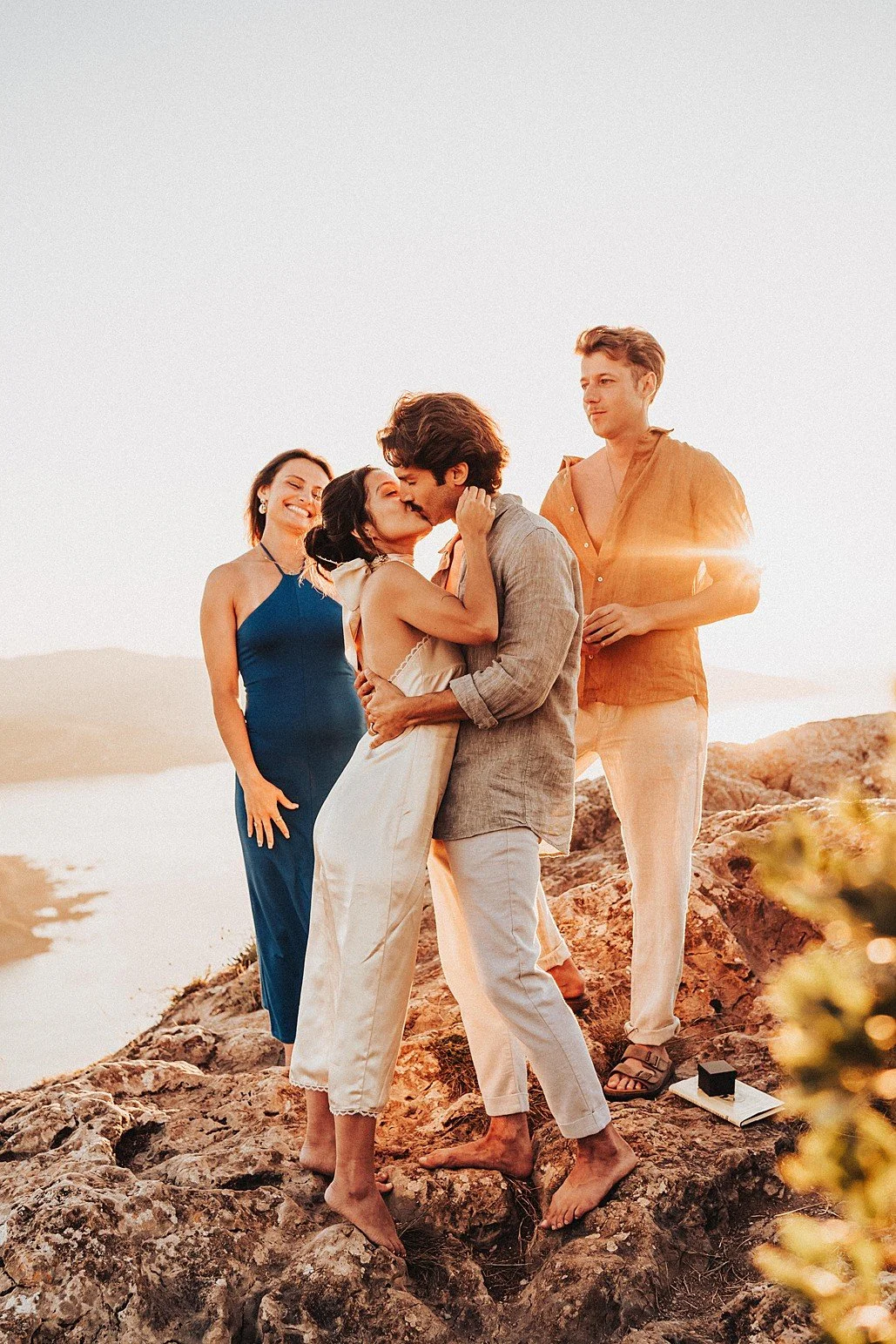
For some couples, that means hiking to a mountain ridge at sunrise. For others, it means exchanging vows above the sea, barefoot and unhurried. Sometimes it includes a few close people. Sometimes it is just the two of you. That’s the beauty of elopements: You get to truly choose how to celebrate your connection. What defines an elopement is not the number of guests. It is the intention behind it.
And this is where planning a destination elopement in Europe becomes so exciting. Within a relatively small geographical area, Europe offers alpine peaks, rugged coastlines, quiet countryside, historic cities, and wild northern landscapes. You are not limited to one atmosphere. You can choose the one that feels aligned.
If you are wondering how to elope in Europe and what steps are actually involved, this guide walks you through everything — from defining your vision to choosing the right location, understanding logistics, and designing an experience that feels natural and unforced. And if you still have questions afterwards, get in touch and let’s have a conversation. I am here to help you plan the experience you’ve always dreamed of.
Planning a destination elopement in Europe is very different from planning a traditional wedding abroad. And when approached thoughtfully, it becomes far simpler and far more meaningful than most couples expect. Let’s take a closer look into eloping in Europe.
Why Couples Choose Europe for a Destination Elopement?
Europe offers something few other continents can: extraordinary diversity within close reach. Within a single trip, you can stand on a high alpine ridge at sunrise, wander through a centuries-old village in the afternoon, and watch the sun set over the sea in the evening. Landscapes shift quickly — mountains, lakes, cliffs, forests, coastlines — and each one creates a completely different energy for your elopement.
Couples dreaming about eloping in Europe often imagine dramatic landscapes, quiet moments, and a wedding day that feels deeply personal rather than performative. Instead of planning around venues and guest lists, the focus shifts to experience — sunrise in the mountains, vows above the sea, or wandering through historic streets together. If you are still narrowing down your options, this guide to the best places to elope in Europe can help you visualise the range of possibilities.
Couples choose Europe for their destination elopement for several reasons:
Dramatic and varied landscapes
Strong travel infrastructure
Rich cultural atmosphere
Short distances between regions
The ability to combine elopement and honeymoon seamlessly
Their own cultural heritage and connection to the places
You might feel drawn to the scale and stillness of the Swiss Alps. Or the sculpted cliffs of the Algarve.
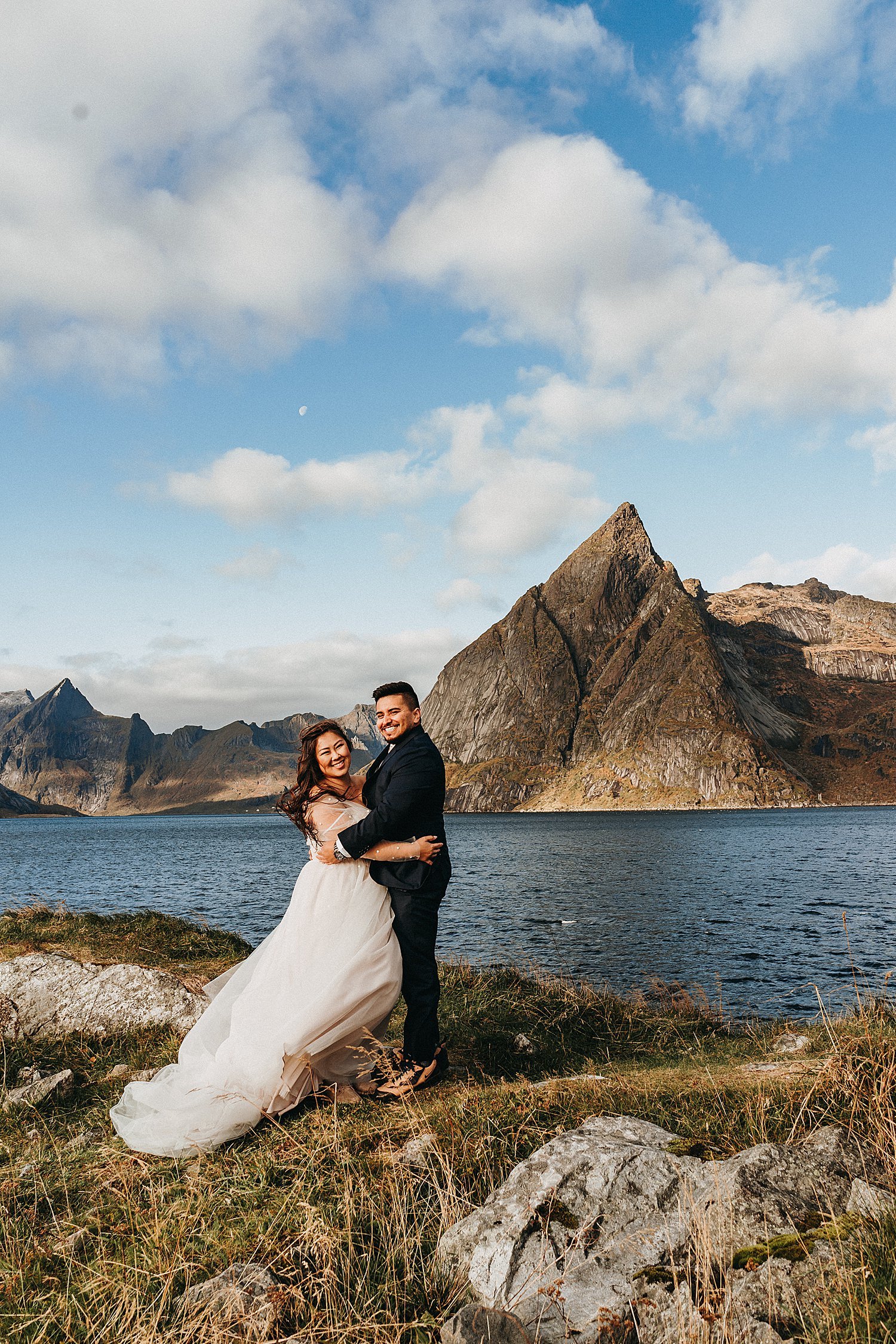
Or the cinematic light of Lofoten.
But planning a destination elopement in Europe can also raise a lot of questions. Where do you start? Which locations are actually accessible? What season works best? And how do you create a timeline that feels relaxed rather than rushed? This guide walks you through the same planning process I use when helping couples design their Europe elopements — from defining the kind of experience you want to choosing the right landscape, season, and logistics.
Whether you’re just beginning to explore the idea of eloping in Europe or already narrowing down locations, this guide will help you understand the steps involved and what to expect.
But the right location is not about fame (if anything, you potentially want to consider avoiding big tourist magnets all together and find a more secluded, more personal option). It is about resonance. When planning a destination elopement in Europe, the landscape should excite you.
Step 1: Decide What Kind of Elopement Experience You Want
Before choosing a country, a mountain range, or a coastline, take a step back. The most grounded destination elopements in Europe begin with clarity — not about geography, but about experience.
Ask yourselves:
Do we imagine movement and adventure, or stillness and ease?
Do we want to hike to our ceremony spot, or arrive somewhere effortlessly?
Are we most at home in the mountains, near water, or surrounded by old architecture?
Do we want this to feel wild and remote, or intimate and refined?
These answers shape everything that follows.
A couple who values slow mornings and long conversations might design a relaxed coastal elopement with time for a swim and a late dinner. A couple who thrives on shared challenges might choose an alpine sunrise ceremony that requires an early start and a scenic walk. Neither is better. They are simply different expressions of the same commitment.
When planning a destination elopement in Europe, it can be tempting to start with iconic locations. But landscapes are most powerful when they mirror your own values and favourite activities. A dramatic cliff does not automatically make a meaningful day. The meaning comes from how you experience it. This is why the planning process always begins with conversation. Understanding your rhythms, your comfort levels, your vision of celebration — that allows us to narrow down locations that genuinely fit. It also helps build a timeline that supports you rather than rushing you.
When your elopement is designed around how you want to feel, every logistical decision becomes clearer. The setting becomes more intentional. The pace eliminates stress and focuses on experience instead. And the day begins to take shape in a way that feels unmistakably yours.
Step 2: Why I would recommend Symbolic Ceremonies For Eloping in Europe
One of the first practical questions couples often ask when planning a destination elopement in Europe is simple: Can we legally get married there? The answer depends entirely on the country — and sometimes even the region.
Many European countries have specific requirements for non-residents. These may include:
Minimum residency periods
Advance submission of documents
Official translations
Apostilles
Civil ceremonies held at designated offices
In places like Italy or France, legal marriages for foreigners are possible but can involve paperwork and timelines that need careful coordination. In other countries, the process may be more restrictive. For some couples, navigating this is absolutely worthwhile. For others, it introduces unnecessary stress into what is meant to be an intentional and intimate experience. Planning a legal marriage in a European country might include a longer planning period, planning for bureaucratic difficulty and slightly more uncertainty. This is why many couples choose a symbolic ceremony in Europe.
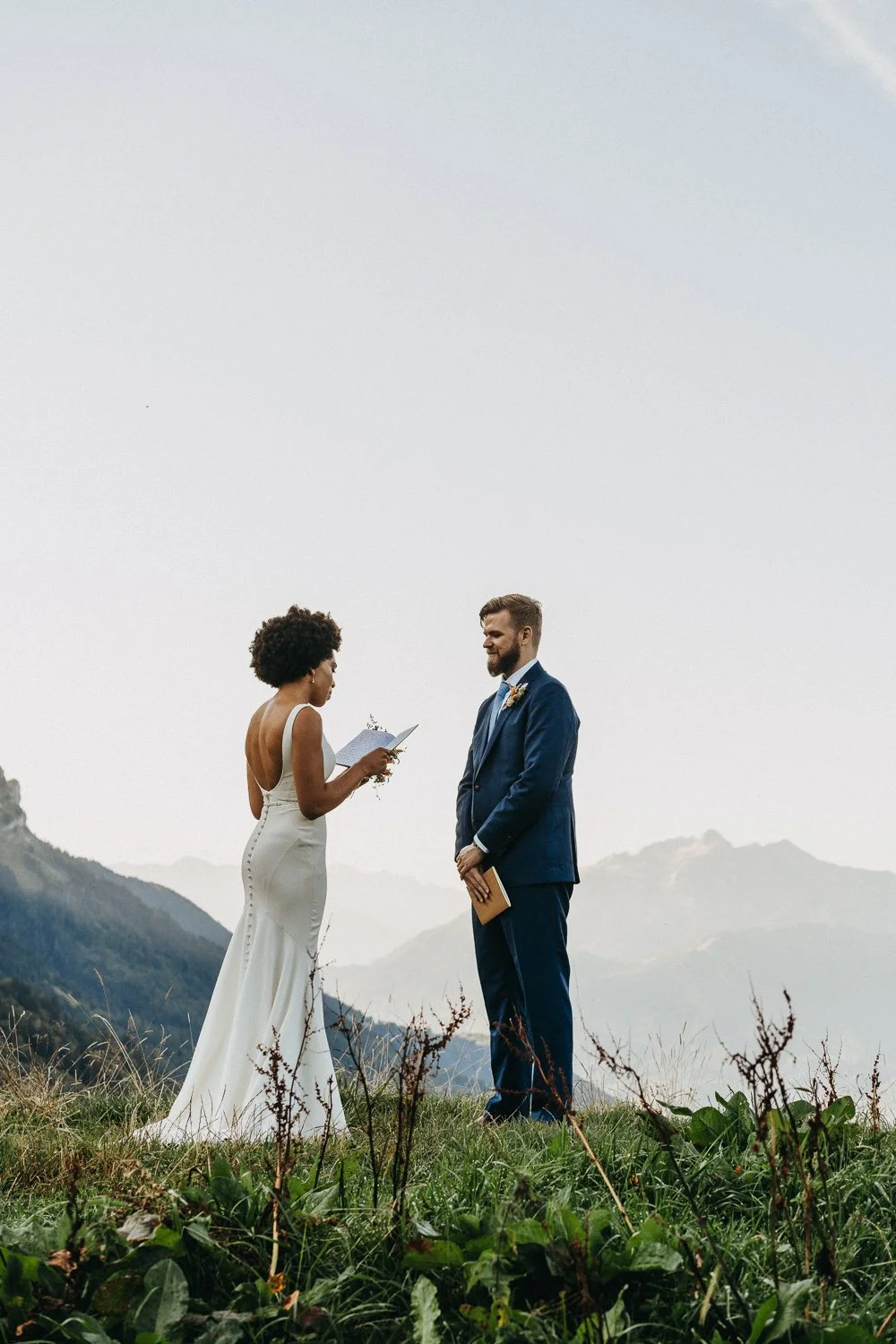
A symbolic elopement means you legally marry at home, either before or after your trip, and exchange vows in the landscape you’ve chosen without legal constraints. The ceremony is no less meaningful. In fact, many couples find it more personal because it can unfold anywhere: on a mountain pass, by a secluded lake, or on a cliff above the sea.
Choosing symbolic often allows:
Greater flexibility in location
More privacy
Fewer timeline restrictions
A more relaxed planning process
During planning, I help you explore what makes sense for you — not only emotionally, but practically. If a legal ceremony abroad is important to you, we look closely at the country’s requirements and timing. If simplicity feels more aligned, we design a symbolic ceremony that carries the same depth without administrative pressure. Please note that while I happily advise you, I don’t offer the arrangements of legal procedures. The goal is clarity early on. Once you understand your options, the rest of the planning becomes significantly smoother.
Step 3: Choosing the Right Location in Europe
Once you’ve defined how you want your day to feel and clarified the legal side, the next step is choosing the landscape that supports that vision. Europe offers an extraordinary range of environments, each one shaping your elopement in a different way.
If you’re drawn to mountain air, layered ridgelines, and early alpine light, regions like the Pyrenees offer dramatic yet often quieter alternatives to more crowded ranges. Mountain elopements tend to feel expansive and grounding. They often involve movement, a short hike, an early start, a shared sense of anticipation as the light shifts across the peaks.
If you feel connected to water, coastal and island locations create a softer atmosphere. The white cliffs of Santorini or the calm reflections at Lake Bled provide very different interpretations of a waterside ceremony, one bold and architectural, the other serene and intimate.
For couples who embrace wild, elemental landscapes, places like Iceland offer waterfalls, black sand beaches, and open horizons that feel almost otherworldly. These locations are powerful, but they also require thoughtful planning around weather and access.
When choosing a location, it’s important to consider more than just how it looks in photographs. Ask:
How accessible is it?
What are the seasonal weather patterns?
How crowded does it become at certain times of year?
Does it require permits?
How will light fall at the time of your ceremony?
This is where experience becomes essential. A place may look incredible online but feel entirely different in reality depending on timing, conditions, and crowds. Part of my role is helping you narrow down options that not only align visually, but also support a smooth, realistic flow for your day. You can find some inspiration in this Guide on Top 10 Places to Elope in Europe. The right location should feel aligned with your personalities and comfort levels — not chosen simply because it is iconic. When landscape and intention work together, the experience feels effortless rather than staged.
Step 4: The Best Time of Year to Elope in Europe
Choosing where to elope is only half the decision. Choosing when shapes the entire experience. Europe’s landscapes shift dramatically with the seasons. Light changes. Access changes. The atmosphere changes. And understanding these differences helps you design a day that feels intentional rather than reactive.
Spring (April – June)
Spring in Europe feels fresh and open. Snow begins to melt in higher elevations, wildflowers appear in alpine meadows, and coastal regions are warm without being crowded.
This is often an ideal season for:
Mediterranean coastlines
Southern Europe
Lower mountain elevations
Crowds are generally lighter than in peak summer months, and temperatures are comfortable for movement. For example, warmer regions like Portugal offer soft light and terracotta colors in late spring — something you can see reflected in stories like the Sintra elopement shared on the blog.
Summer (July – September)
Summer provides the most reliable access to high alpine regions. Mountain passes open, hiking trails are clear, and sunrise ceremonies above the clouds become more predictable. Regions like the Swiss Alps or the Dolomites are often best experienced during these months.
However, summer also brings:
Higher tourist volume
Warmer temperatures in southern regions
The need for earlier sunrise timelines to avoid crowds Norway elopement story on the blog
With thoughtful planning, such as choosing lesser-known viewpoints or adjusting timing, even popular destinations can feel intimate. You’ll find examples of how this works in the Eloping in Switzerland guide, where timing and location are carefully considered.
Autumn (October – November)
Autumn offers a quieter, moodier atmosphere. Forests shift into warm tones. Mountain air becomes crisp. Popular destinations become noticeably less crowded.
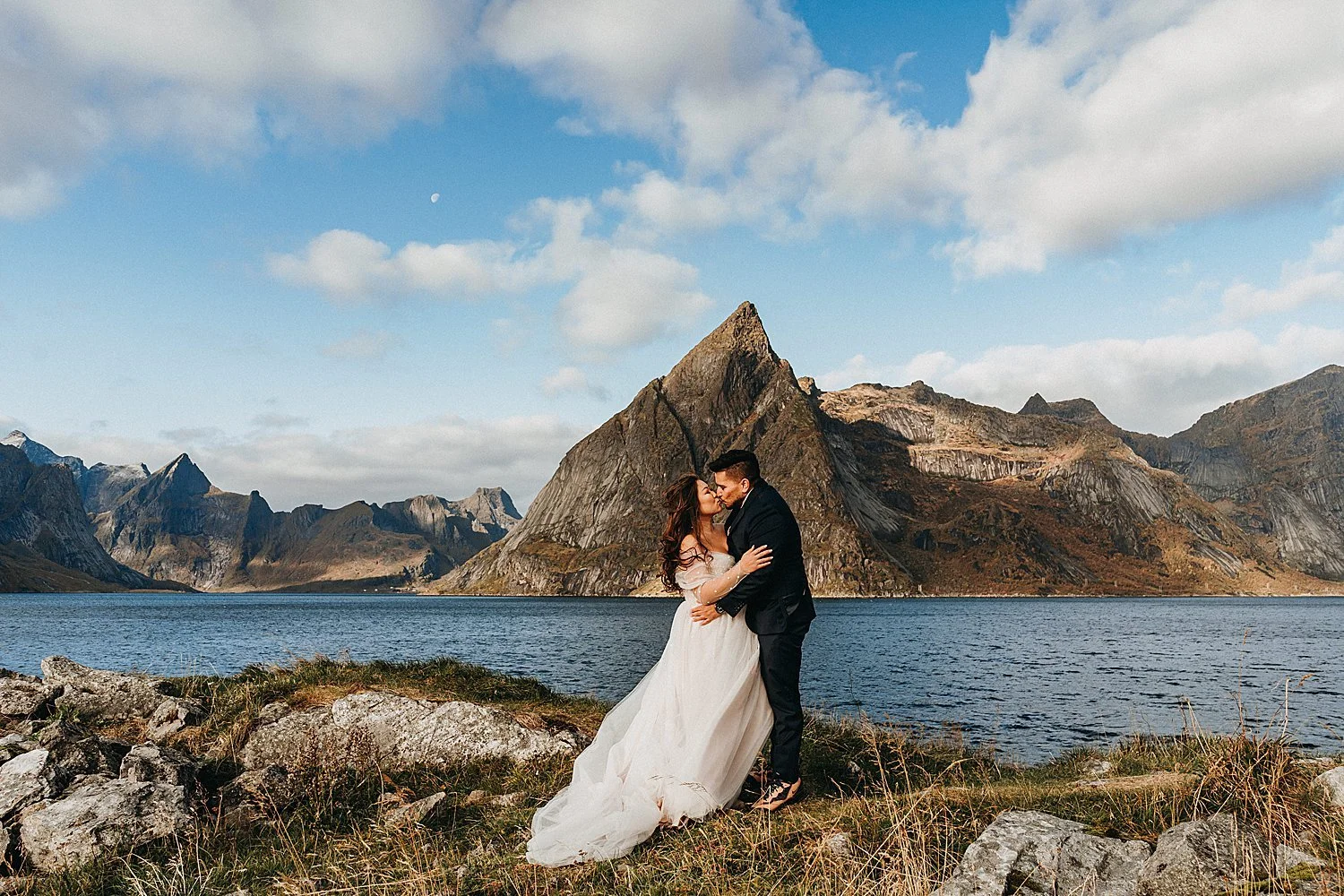
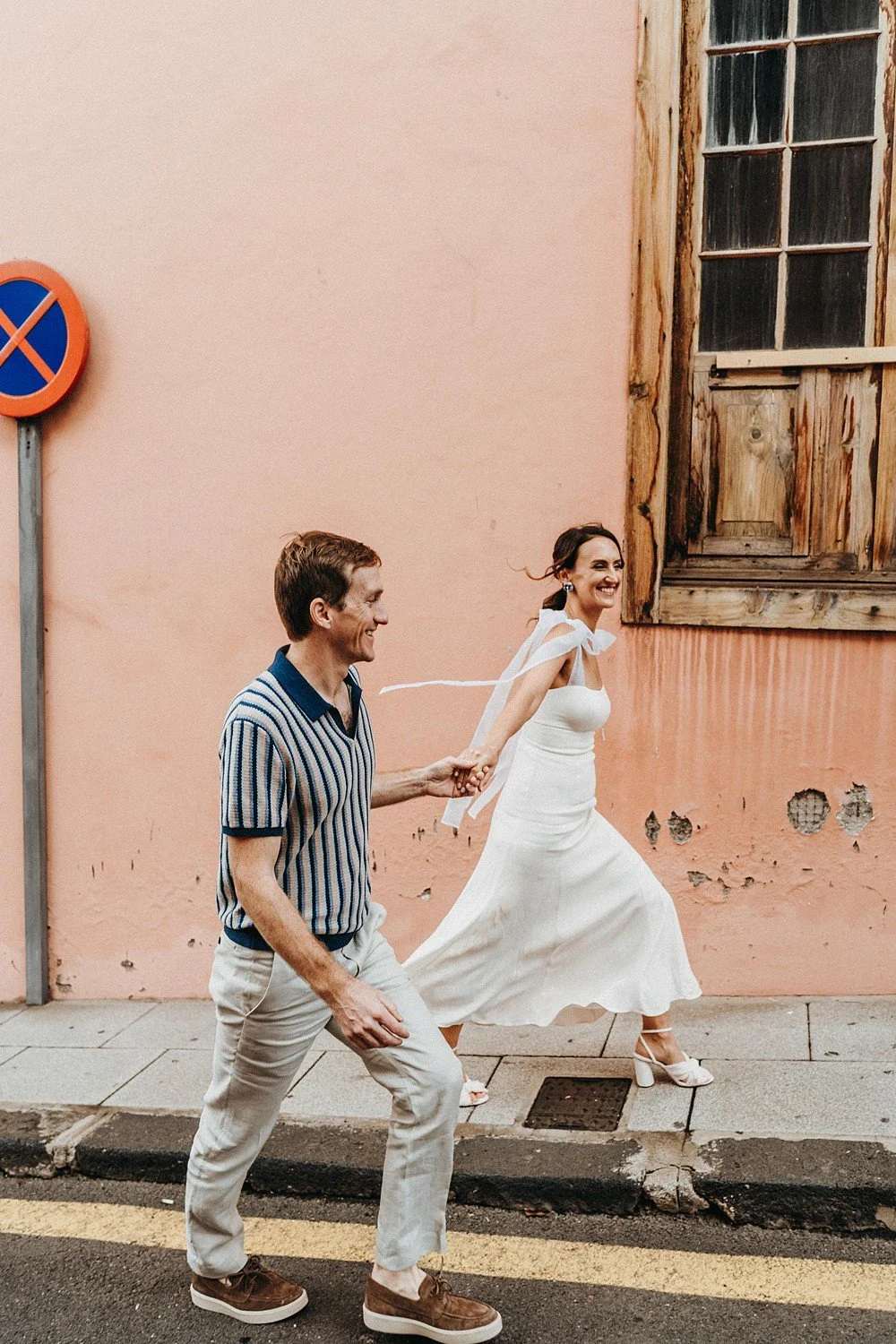
Northern regions like Lofoten feel especially dramatic in autumn, as seen in the Norway elopement story on the blog. Coastal cities, such as Porto, also take on a slower, more intimate energy during this season.
Autumn works particularly well for couples who value:
Fewer tourists
Rich colours
A slightly more cinematic atmosphere
Winter (December – March)
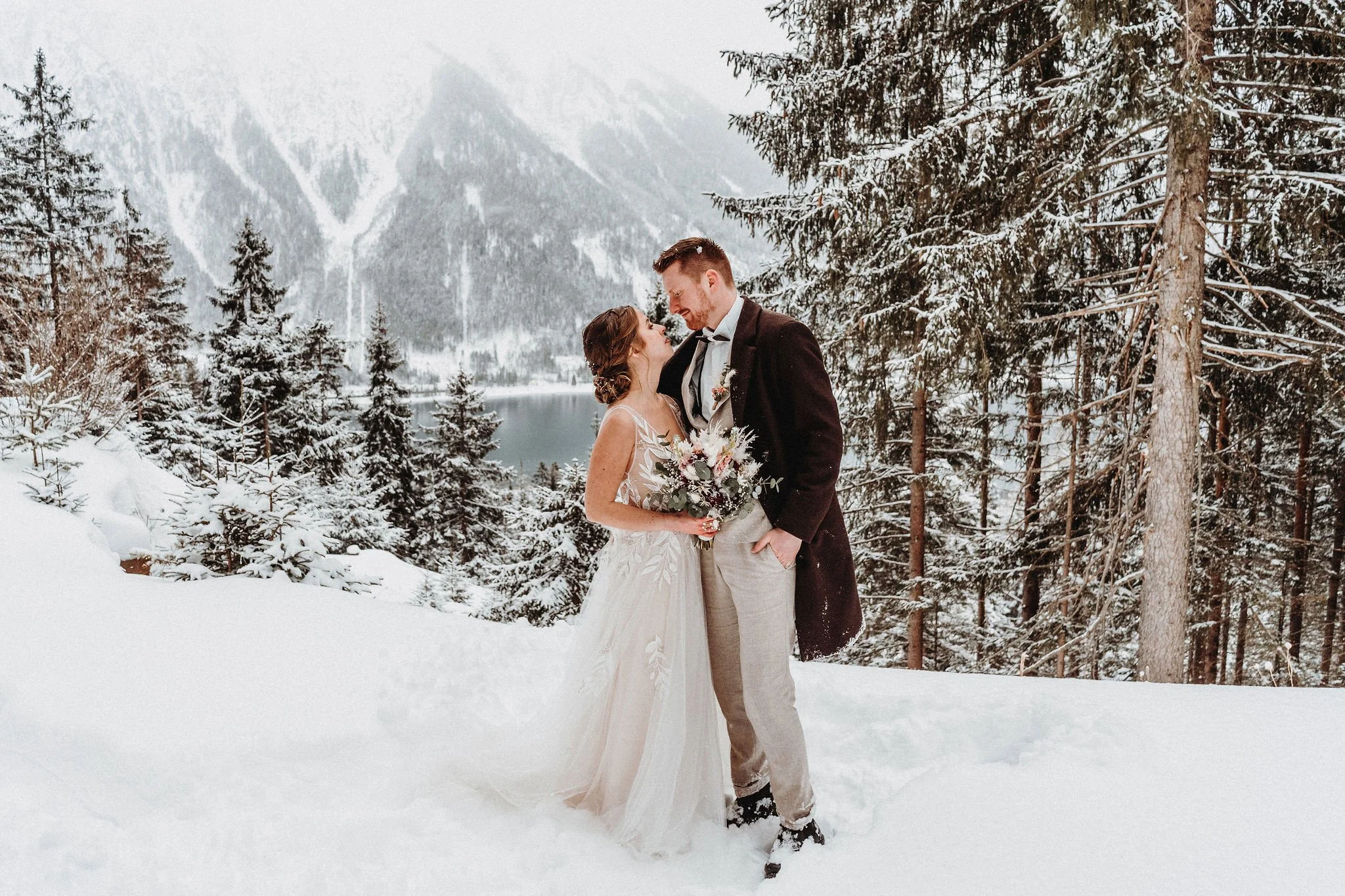
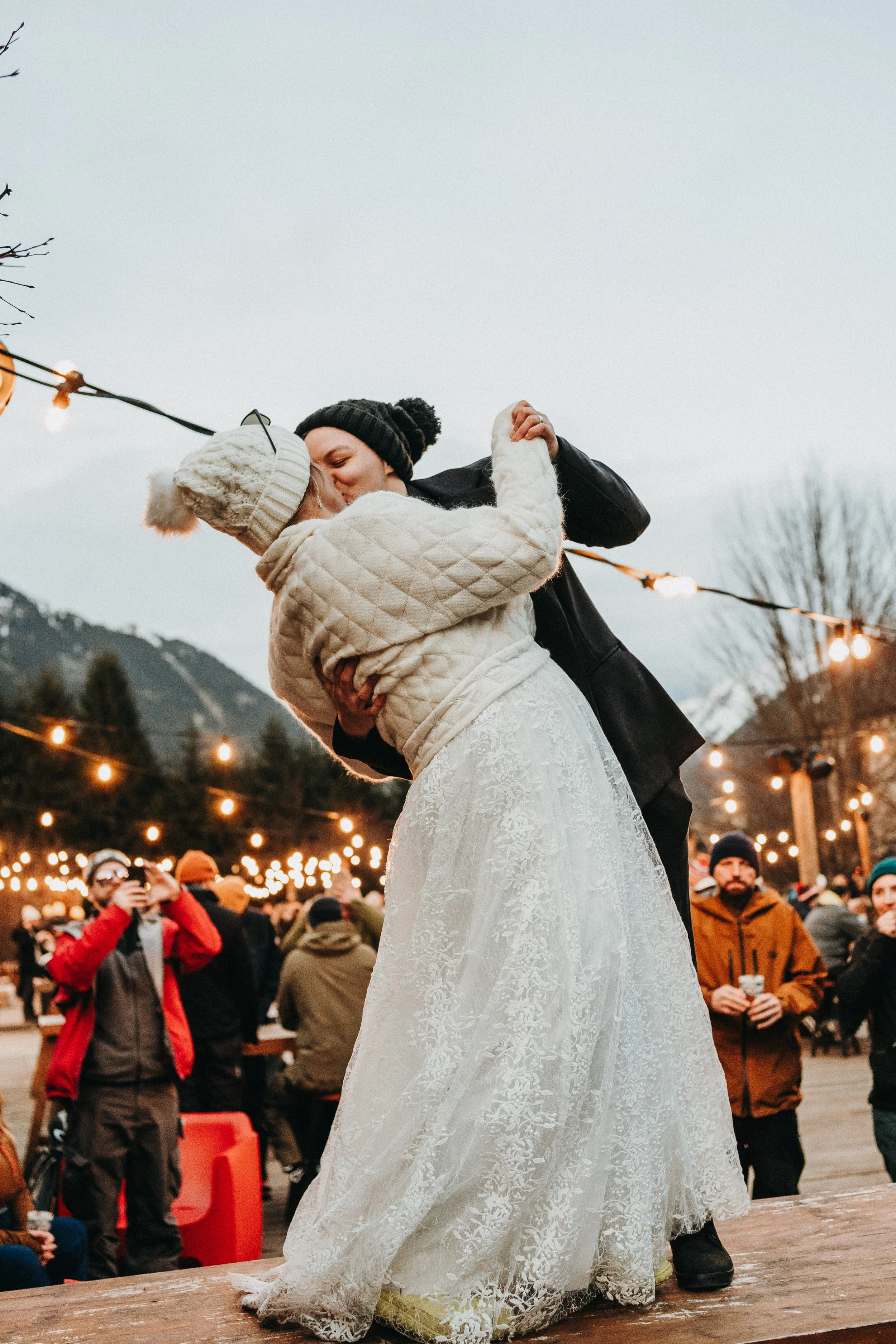
Winter elopements are not for everyone but for the right couple, they are extraordinary. Snow-covered peaks, frozen lakes, and quiet landscapes create a sense of stillness that is hard to replicate. Accessibility becomes more limited in high mountain areas, but certain alpine locations remain reachable. Winter requires flexibility and realistic expectations around weather, but it also offers unmatched privacy. Check out this incredible Snowboad Elopement
Why Timing Matters More Than You Think
When planning a destination elopement in Europe, season impacts:
Light quality
Permit requirements
Accessibility
Privacy
Travel logistics
This is where experience becomes essential. A location that feels perfect in August may feel entirely different in October. A mountain pass accessible in July may be closed in May. Part of my role is helping you align your vision with realistic seasonal conditions. That includes suggesting alternative viewpoints, adjusting timelines for optimal light, and building flexibility into the day. If you’re unsure which season fits your vision, you can explore real stories across different regions on the blog, from alpine guides to coastal city elopements, to see how light and timing shape the experience. I happily advise you on the pros and cons of different seasons in each region and what to expect. Choosing the right season doesn’t just influence how your elopement looks. It influences how it feels.
Step 5: Designing a Timeline That Feels Natural
One of the biggest differences between a traditional wedding and a destination elopement in Europe lies in the timeline. There is no venue coordinator telling you when to walk down an aisle. No fixed dinner reservation for 80 guests. No tightly structured program that moves from one formal moment to the next. Instead, your timeline becomes fluid. Intentional. Built around light, landscape, and how you naturally move through the day.
Let the Landscape Shape the Day
In Europe especially, light plays a defining role.
Mountain regions often call for early starts. Sunrise in the SlovenianAlps or the Dolomites offers soft light, fewer hikers, and a calm atmosphere.
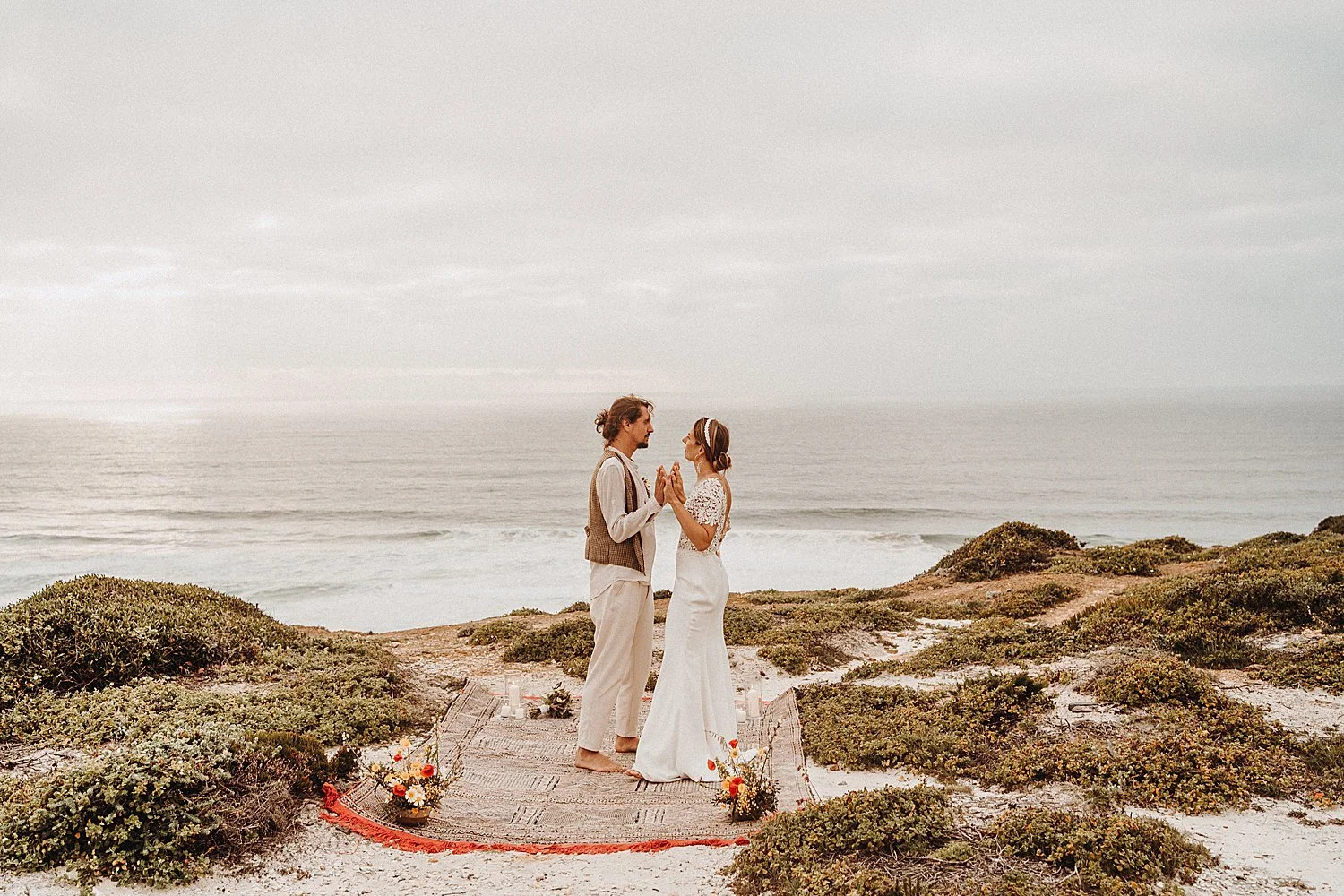
Coastal cliffs in places like Algarve or the Atlantic coast glow during sunset, when the sea reflects warm tones and crowds begin to thin.
Nordic landscapes such as Sweden can offer extended golden hours in summer or moody, dramatic skies in autumn.
Rather than squeezing your ceremony into a conventional midday slot, your elopement timeline follows the environment.
Build in Space — Not Just Events
A meaningful elopement day does not feel rushed. Instead of planning back-to-back activities, consider including:
A slow morning together
A scenic drive with music and quiet conversation
A little moment of celebration with prosecco
A picnic overlooking the landscape
A celebratory dinner at a local restaurant
These moments may not look dramatic from the outside, but they are often the ones couples remember most vividly. When designing timelines, I intentionally create breathing room. Weather buffers. Travel time margins. A plan B if the conditions aren’t as expected. Quiet transitions between locations. This allows you to stay present rather than constantly checking the clock.
Think Beyond a Single Day
Many couples planning a destination elopement in Europe choose to extend the experience across multiple days. Europe makes this particularly easy because landscapes shift within short travel distances. You can wake up near a lake and have dinner in a historic town without spending hours in transit. A multi-day approach also reduces pressure. Your elopement becomes a shared experience rather than a tightly choreographed event.
The Role of a Photographer Who Guides
Designing a timeline in unfamiliar terrain can feel uncertain at first. This is where working with someone who knows the regions deeply becomes essential. As a photographer and guide, I don’t simply document what unfolds — I help shape it realistically.
That includes:
Recommending ceremony times based on light and crowd patterns
Suggesting backup locations if weather shifts
Understanding trail difficulty and accessibility
Planning travel flow between locations
Advising on how much movement feels comfortable
Your timeline should feel supportive, not ambitious to the point of stress. When the day flows naturally, aligned with light, landscape, and your personalities, everything else falls into place. The goal is not to create a schedule.It is to create an experience you can move through calmly and fully present.
Drop me a message for further informations on my service
I can’t wait to start your Adventure!
Step 6: Travel & Logistics For A Europe Elopement — Making It Feel Effortless
When planning a destination elopement in Europe, logistics can either feel overwhelming or surprisingly simple. The difference lies in thoughtful preparation. Travel and accommodation are not just practical details. They directly influence how calm and grounded you feel during your elopement experience.
Arrive Earlier Than You Think You Need To
One of the most important pieces of advice: give yourselves margin.
Arriving at least two to three days before your ceremony allows you to:
Adjust to travel and time zones
Scout your surroundings casually
Ease into the landscape
Reduce stress if there are minor travel delays
Europe’s infrastructure makes this manageable. Major cities connect easily to more remote regions by train or car. But alpine roads, ferry schedules, or rural drives often take longer than maps suggest. Buffer time changes the energy of the entire experience.
Choose Accommodation With Intention
Where you stay becomes part of your story.
Look for places that offer:
Natural light for getting ready
Calm, private surroundings
Scenic views or terraces
Easy access to your ceremony location
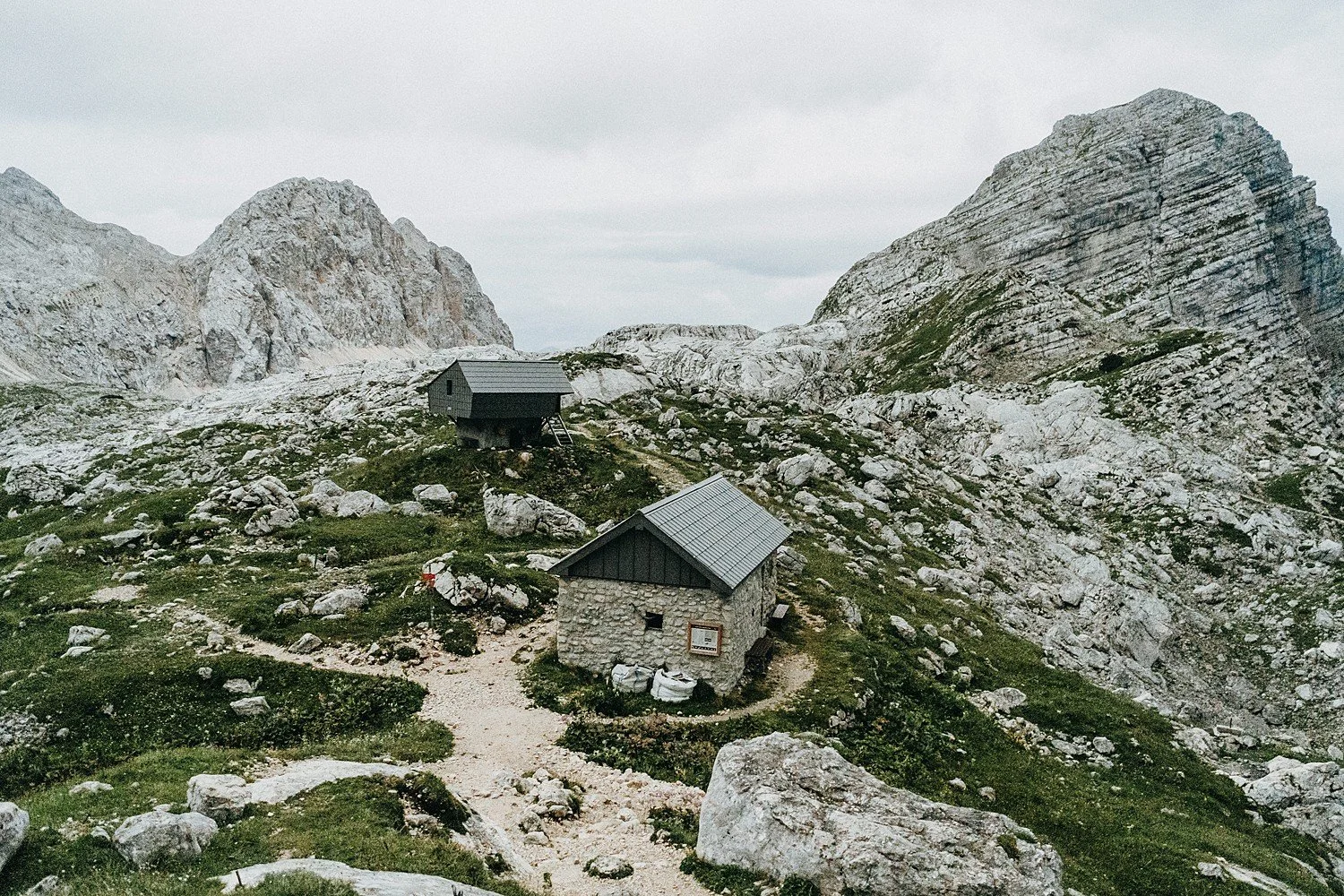
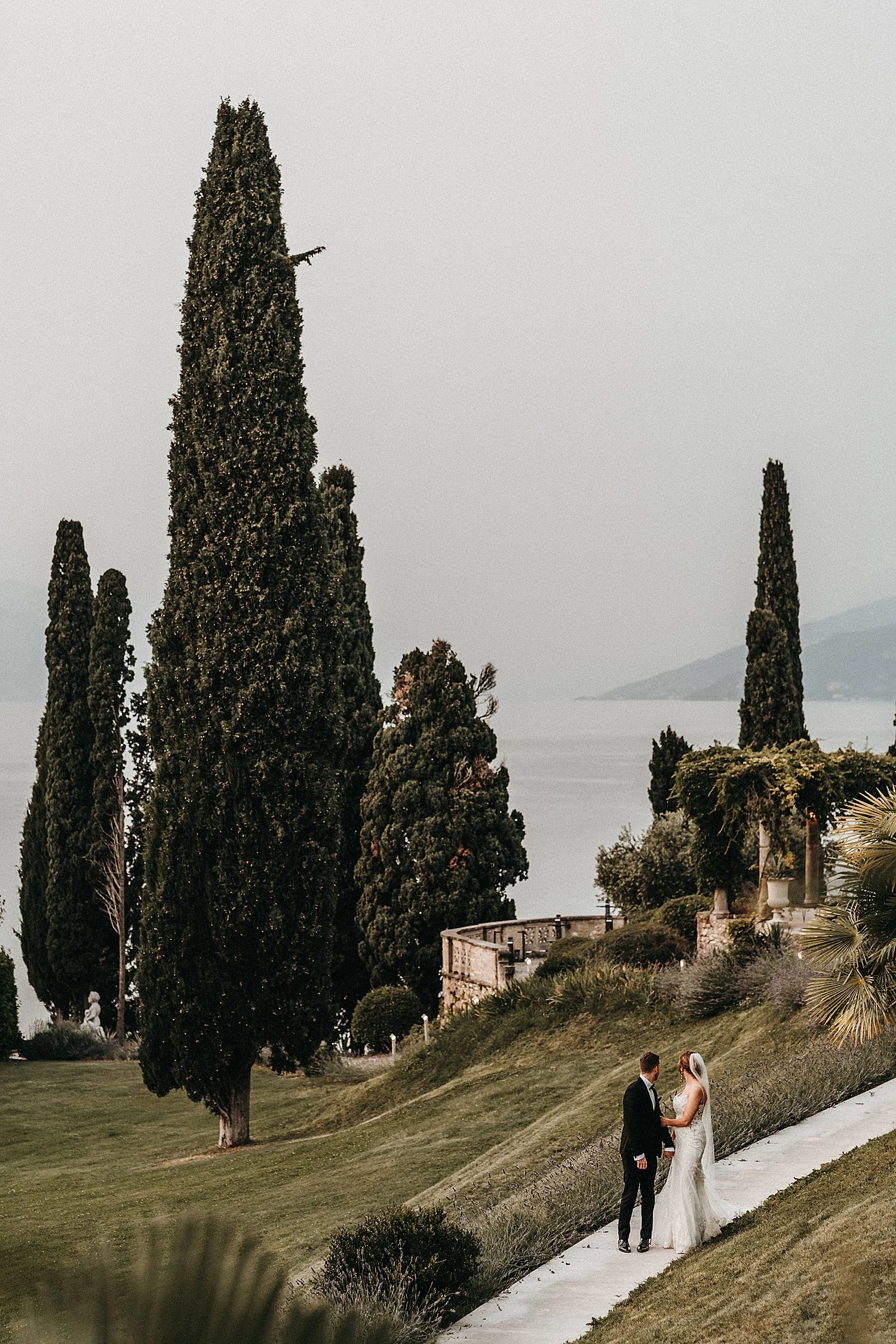
A mountain chalet near the Pyrenees creates a very different atmosphere than a historic townhouse at Lake Garda. Both are beautiful but they support different moods.
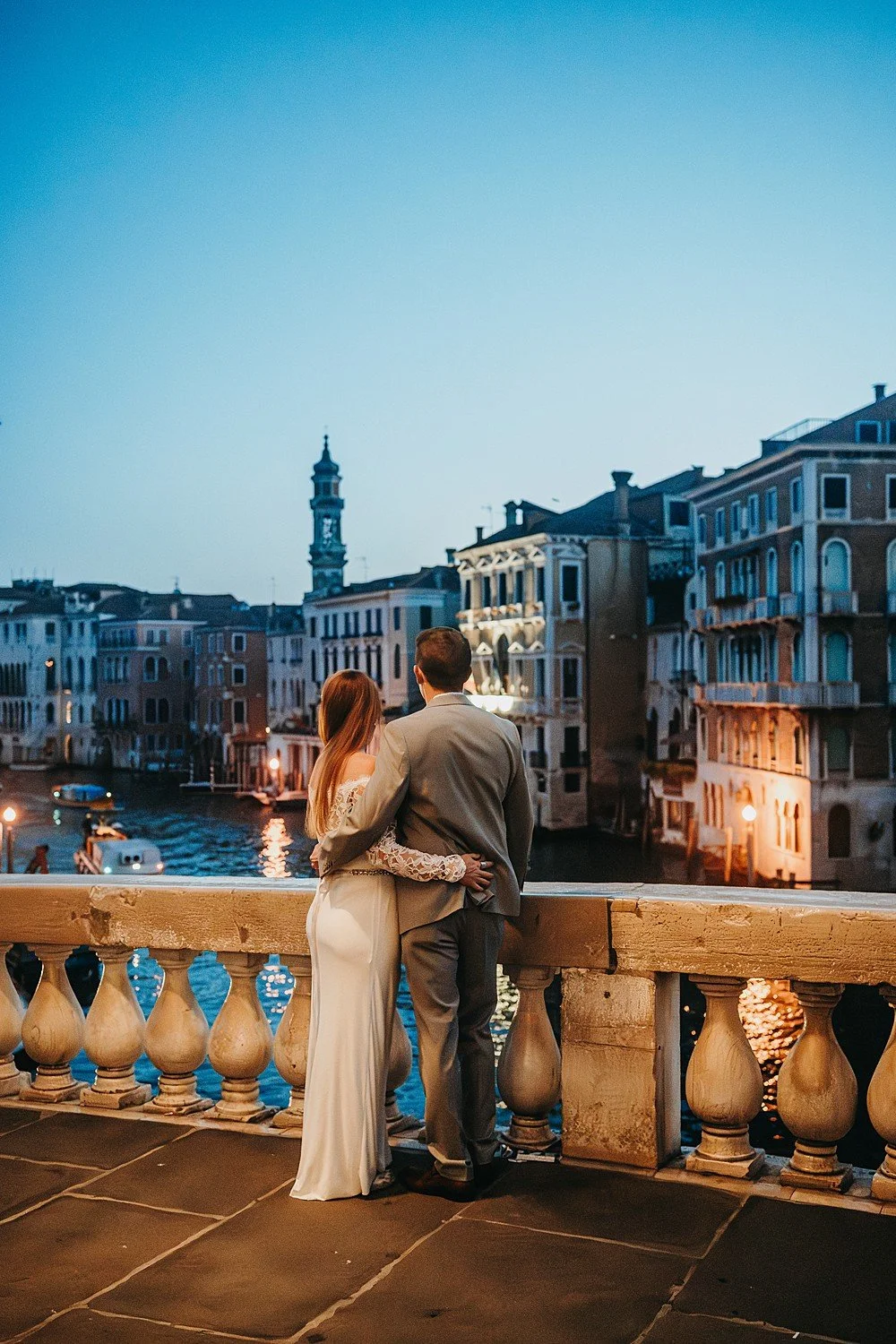
If you explore real stories on the blog — like the Porto city elopement or alpine ceremonies in Austria — you’ll see how accommodation choices subtly shape the visual and emotional tone of the day. I always provide guidance here, suggesting areas or properties that align with your chosen location and timeline. Proximity matters more than most couples initially realise.
Renting a Car vs. Public Transport
Europe’s train network is extensive and romantic in its own way. However, for remote elopement locations, especially in mountain or coastal regions, renting a car often provides necessary flexibility.
A car allows:
Early departures before public transport runs
Easy access to lesser-known viewpoints
Freedom to adjust plans if weather shifts
In some regions, like parts of the Swiss Alps or northern Norway, public access can be limited outside peak season. Understanding this early prevents unnecessary stress.
Plan for the Unexpected — Calmly
Weather in Europe, particularly in alpine or coastal regions, can change quickly. Fog rolls in. Wind picks up. Light shifts. Rather than trying to control every variable, build flexibility into your plan.
This might mean:
Having a nearby backup location
Shifting your ceremony by an hour
Embracing atmospheric conditions rather than resisting them
Experience makes this much easier. Knowing how landscapes behave seasonally and how to pivot smoothly keeps your day feeling grounded rather than reactive.
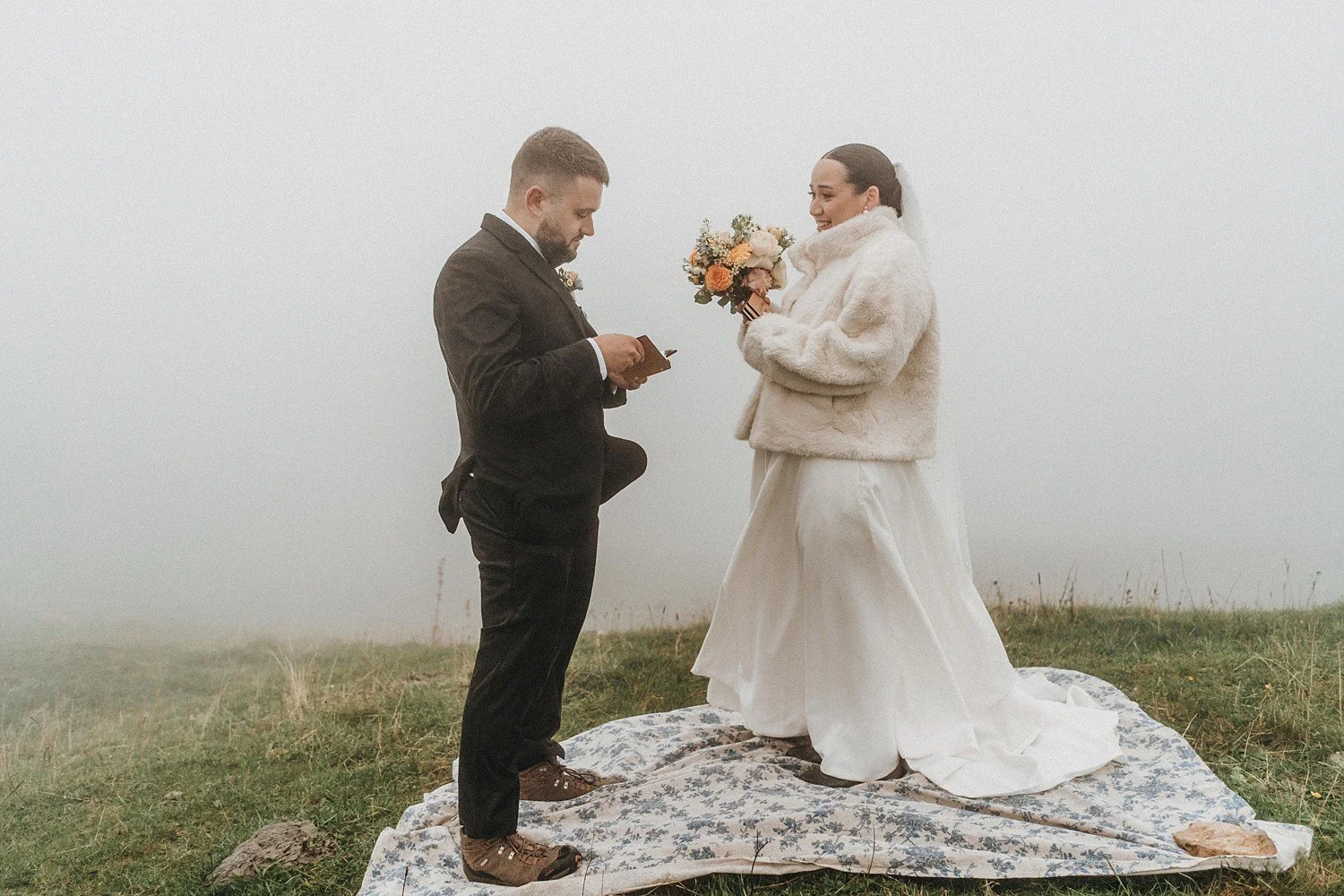
Logistics Should Support the Experience
Travel, accommodation, and permits are not the romantic parts of elopement planning. But when handled thoughtfully, they disappear into the background allowing you to focus entirely on the experience itself. My role is to help you anticipate these layers before they become concerns. That way, by the time you arrive, everything feels simple. You wake up. You move through the day naturally. And the landscape does the rest.
Step 7: How Much Does It Cost to Elope in Europe?
One of the most common questions when planning a destination elopement in Europe is simple:
What should we realistically budget? The honest answer is that elopements are flexible. Unlike traditional weddings, where venue size and guest count drive most costs, elopement budgets are shaped by experience, location, and priorities. A destination elopement can be intentionally simple or it can become a multi-day adventure. The investment depends on what feels aligned for you.
The Main Cost Categories
When planning your elopement in Europe, you’ll typically consider:
Travel
Flights
Rental car or train travel
Fuel or local transport
Accommodation
2–4 nights minimum recommended
Mountain cabins, boutique hotels, coastal villas, or city stays
Proximity to ceremony location
Photography & Planning Support
Elopement photographer
Timeline design
Location scouting
Guidance throughout the process
Optional Add-Ons
Hair & makeup
Florals
Private chef or restaurant dinner
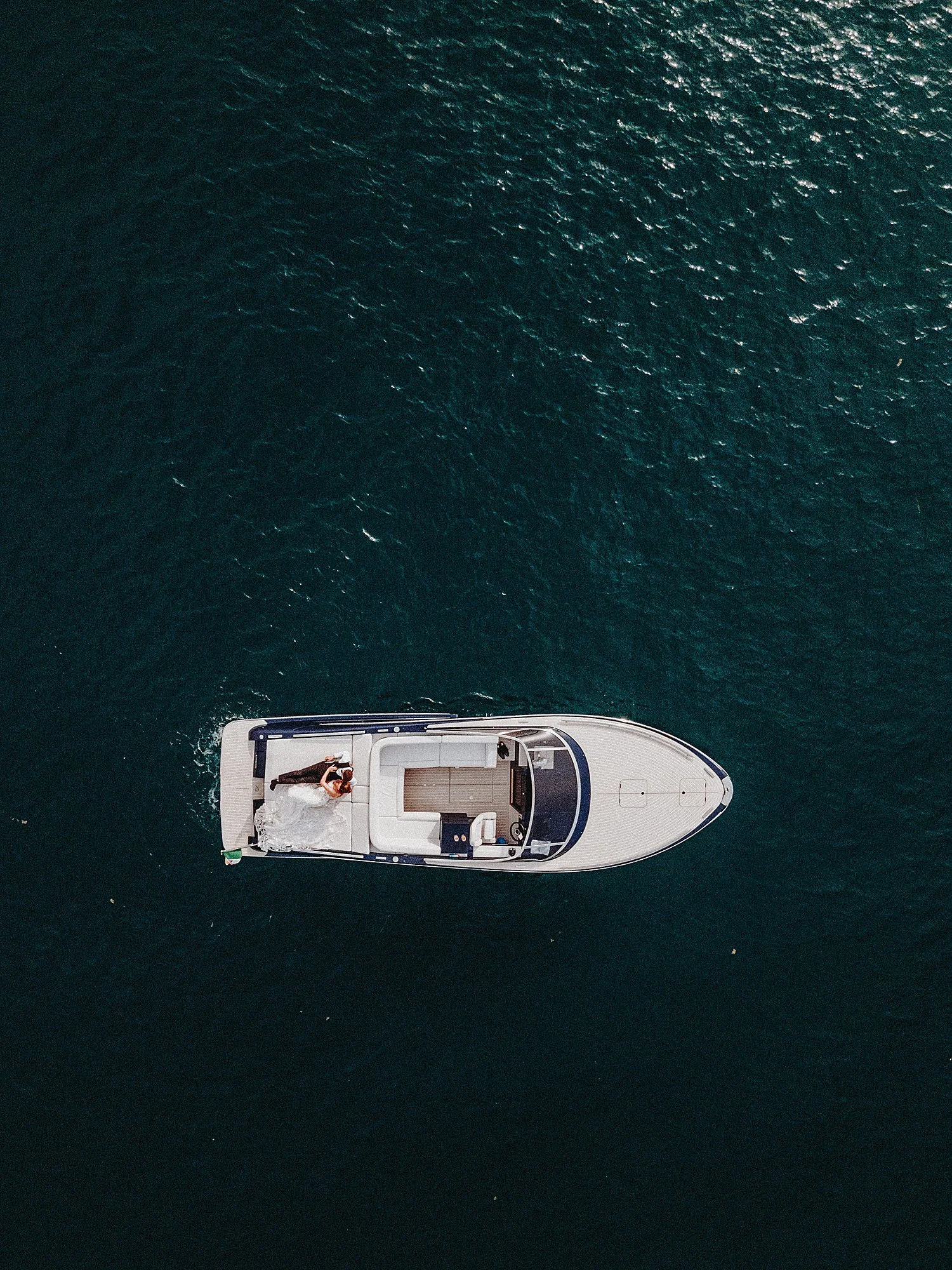
Boat rental or guided activity
Officiant (for symbolic ceremonies)
Because elopements are intentionally small-scale, couples often reallocate what would traditionally go toward guest catering and large venues into travel and meaningful experiences instead.
What Is a Realistic Investment Range?
For most couples eloping in Europe, a full experience — including travel and photography — often falls somewhere between:
€11,000–€19,000+
This range varies significantly depending on:
The country and region
Time of year
Length of stay
Level of comfort in accommodation
Complexity of the chosen location
A sunrise mountain elopement with a nearby cabin will look very different budget-wise than a multi-day island experience with boat access.
The Photography Investment
When working with Way Up High Elopements, photography is not just coverage for a few hours. It includes:
Location research tailored to you
Personalised timeline creation
Guidance on season and light
Logistics advice
Ongoing communication and support
A calm, experienced presence on the day
Europe elopement photographer packages/pricing: The pricing and package details are transparently outlined on the website, allowing you to see exactly what is included and how the experience is structured. Because elopements require more than simply showing up with a camera, the planning element becomes part of the value.
Why Working With an Elopement Photographer Who Also Guides Makes a Difference
When you plan a destination elopement in Europe, you are not simply booking someone to document a few hours. You are stepping into unfamiliar landscapes, new regulations, shifting weather, and terrain you may never have walked before. That changes the role of a photographer entirely. An elopement photographer does more than take beautiful images. That’s where I come into action. Nice to meet you, I am Thijsiena, your European Elopement photographer, here to help shape the experience.
In remote mountain regions like the Dolomites or the Swiss Alps, knowing where light falls at sunrise, how crowded a trail becomes by mid-morning, or how quickly weather systems move in is not a detail — it directly impacts how your day unfolds.
On coastal cliffs in places like Algarve or Santorini, wind patterns, access paths, and timing determine whether your ceremony feels intimate or exposed. This is where guidance becomes essential.
Beyond Photography: What That Support Actually Looks Like
Working with Way Up High Elopements means you are supported long before your wedding day.
That includes:
Personalized location suggestions based on your comfort level and vision
Honest conversations about seasonality and crowd patterns
Realistic assessments of accessibility and terrain
Custom timeline design shaped by light and movement
Backup plans for weather shifts
Accommodation recommendations aligned with your ceremony spot
On the day itself, guidance is subtle but steady.
You are not placed into stiff poses. You are not rushed between locations. You are gently directed when needed and given space when it matters.
If the wind changes, we adjust. If the light shifts, we adapt. If a viewpoint feels crowded, we move. The goal is not to force moments. It is to create them.
Experience Creates Calm
Eloping in Europe often means stepping outside your routine. You may be navigating a mountain trail in a wedding outfit, standing on a cliff edge for the first time, or waking up before dawn in a new country.
Having someone beside you who knows the environment allows you to relax into the experience.
You don’t need to monitor timing. You don’t need to track weather updates. You don’t need to wonder if the next viewpoint is accessible.
You simply show up. And when you feel calm, your connection naturally takes center stage.
That is the difference between having photos taken and having an experience thoughtfully guided and documented from beginning to end.
About Thijsiena – Europe Elopement Photographer & Guide
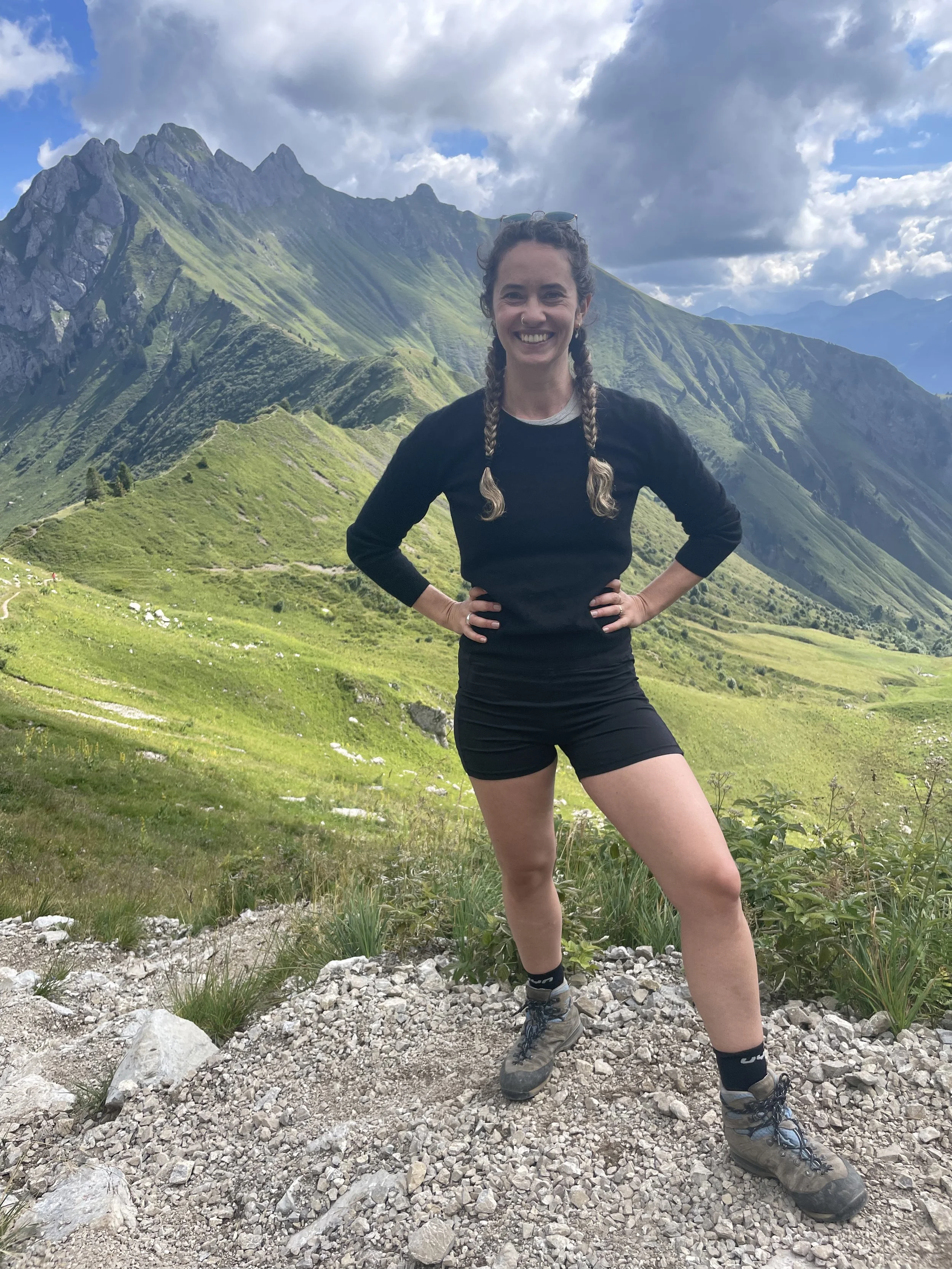
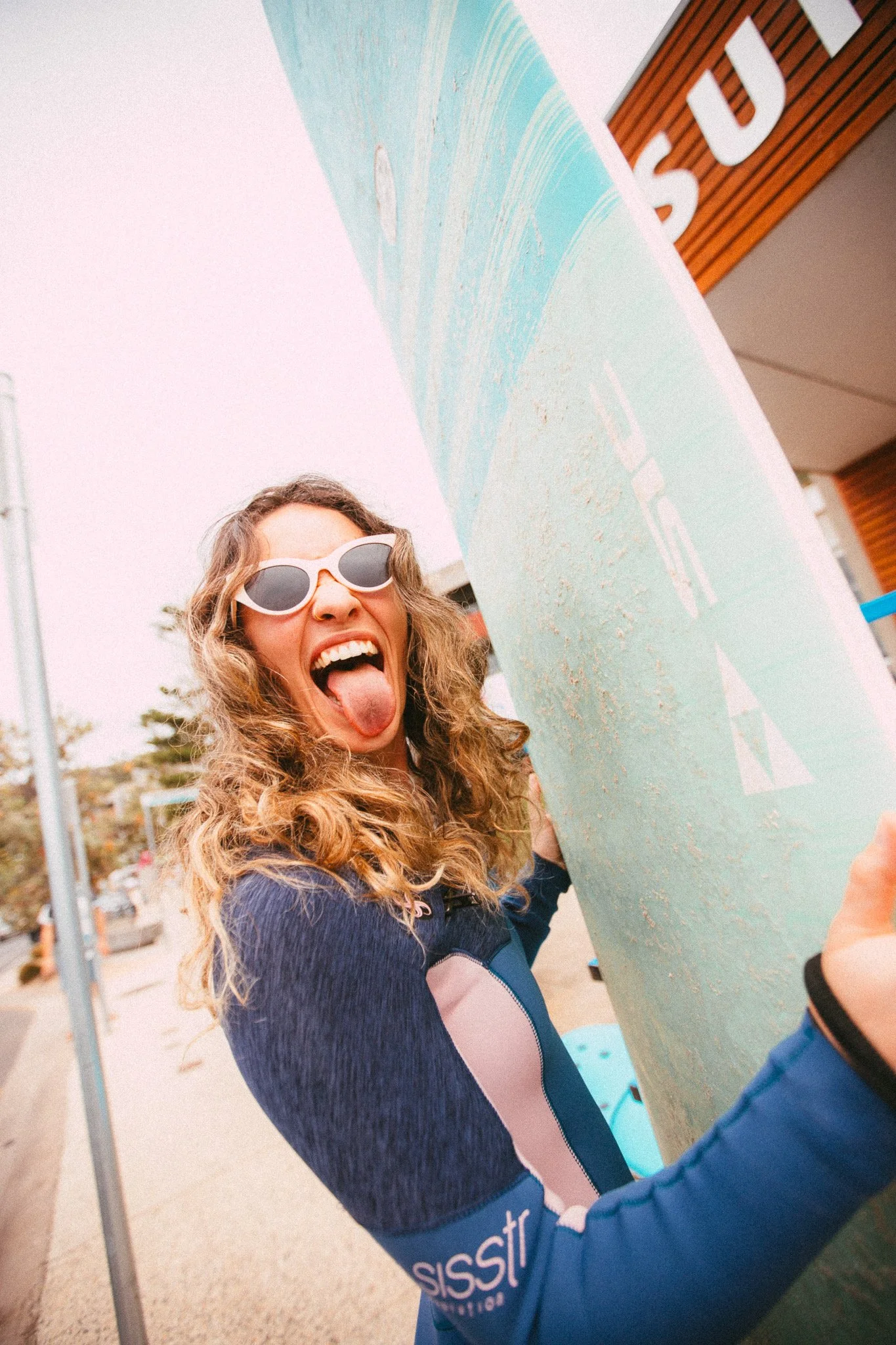
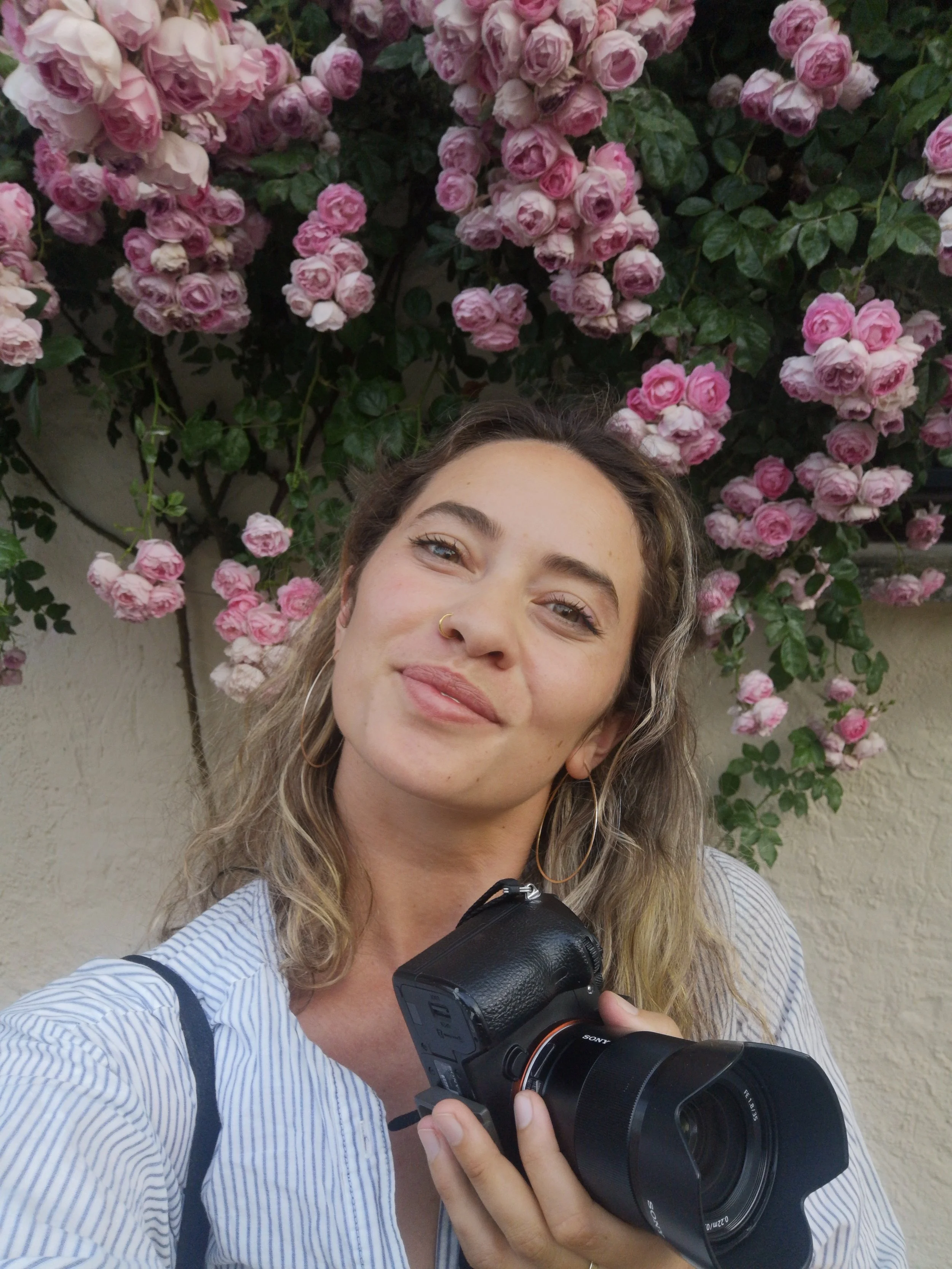
Planning a destination elopement in Europe often means stepping into unfamiliar landscapes. Mountain passes you have never walked. Coastal cliffs you have only seen in photographs. Early mornings shaped by alpine light or wind moving across the sea.
I am Thijsiena, the photographer and guide behind Way Up High Elopements. Based in Europe and working across mountains, coastlines, and remote regions, I specialise in intentional, experience-focused elopements that feel calm rather than staged. My approach goes beyond photography.
When couples choose to elope in Europe, they are not just choosing a location — they are choosing how they want to move through that landscape. I support that process from the beginning. I help refine location ideas based on season and light, build timelines that allow for breathing space, and offer practical insight into accessibility, travel flow, and realistic expectations. Whether it’s a sunrise ceremony in the Swiss Alps, a coastal vow exchange in the Algarve, or a quiet northern elopement shaped by shifting skies, I understand how environment and emotion interact.
For couples planning a destination elopement in Europe, working with an experienced Europe elopement photographer who also acts as a guide brings clarity, confidence, and calm to the entire experience.
If you’d like to learn more about my work or explore real elopement stories across Europe, you can visit the portfolio or reach out directly to begin the conversation.
Frequently Asked Questions About Eloping in Europe
-
Yes but requirements vary significantly by country. Some European countries allow legal marriage for non-residents, while others require proof of residency or specific documentation. In places like Italy and France, paperwork and waiting periods may apply. Because of this, many couples choose to legally marry at home and have a symbolic ceremony in Europe instead. This offers far more flexibility in location and timing while remaining deeply meaningful. If legal marriage in Europe is important to you, it’s best to research the country early in the planning process.
-
Not at all. While some couples choose mountain or cliffside ceremonies that involve short hikes, many European elopement locations are easily accessible by car or short walk. There are breathtaking viewpoints in regions like the Dolomites or the Algarve that require minimal physical effort. Your elopement should reflect your comfort level. Adventure can be dramatic or simply atmospheric.
-
Weather is part of the landscape — especially in alpine or coastal regions.
Rather than viewing it as a problem, thoughtful planning builds flexibility into your timeline. This might mean:
Adjusting ceremony timing
Bringing a beautiful umbrella to embrace the conditions
Using a nearby sheltered location
Embracing fog, clouds, or wind for atmosphere
Some of the most cinematic elopement images in Europe happen in imperfect weather. The key is preparation and calm guidance.
-
The cost of eloping in Europe depends on location, travel, accommodation, and photography coverage. Most couples invest between €9,000–€15,000+ for a full destination elopement experience. This typically includes travel, accommodation, and an experienced Europe elopement photographer. Elopements are flexible and often allow couples to prioritize meaningful experiences over large guest counts.
-
Absolutely. Some couples choose to elope privately. Others invite 2–10 close family members or friends. Many European locations accommodate small gatherings beautifully — from mountain lakes to quiet coastal terraces. The key is choosing a location that supports the group size while preserving intimacy.
Bringing It All Together
Planning a destination elopement in Europe is not about ticking boxes. It is about creating something that feels honest. When you step away from expectations and design your wedding around intention, the entire experience shifts. The focus narrows in the best possible way. It becomes less about performance and more about presence. Less about hosting and more about experiencing.
Europe offers an extraordinary canvas for that kind of day. From alpine ridgelines and quiet lakes to sunlit coastlines and historic city streets, the landscape can mirror whatever energy you want to bring into your commitment. And the location is only part of the story. What truly shapes your elopement is the care put into planning it thoughtfully. Choosing the right season. Designing a timeline that feels natural. Staying somewhere that allows you to breathe. Building in space for silence and celebration alike.
When all of those elements align, the day feels effortless. If you are considering eloping in Europe and want guidance that goes beyond photography I would love to hear your ideas. There is no pressure to have everything figured out. Sometimes the first step is simply sharing what you imagine and letting the rest take shape from there.
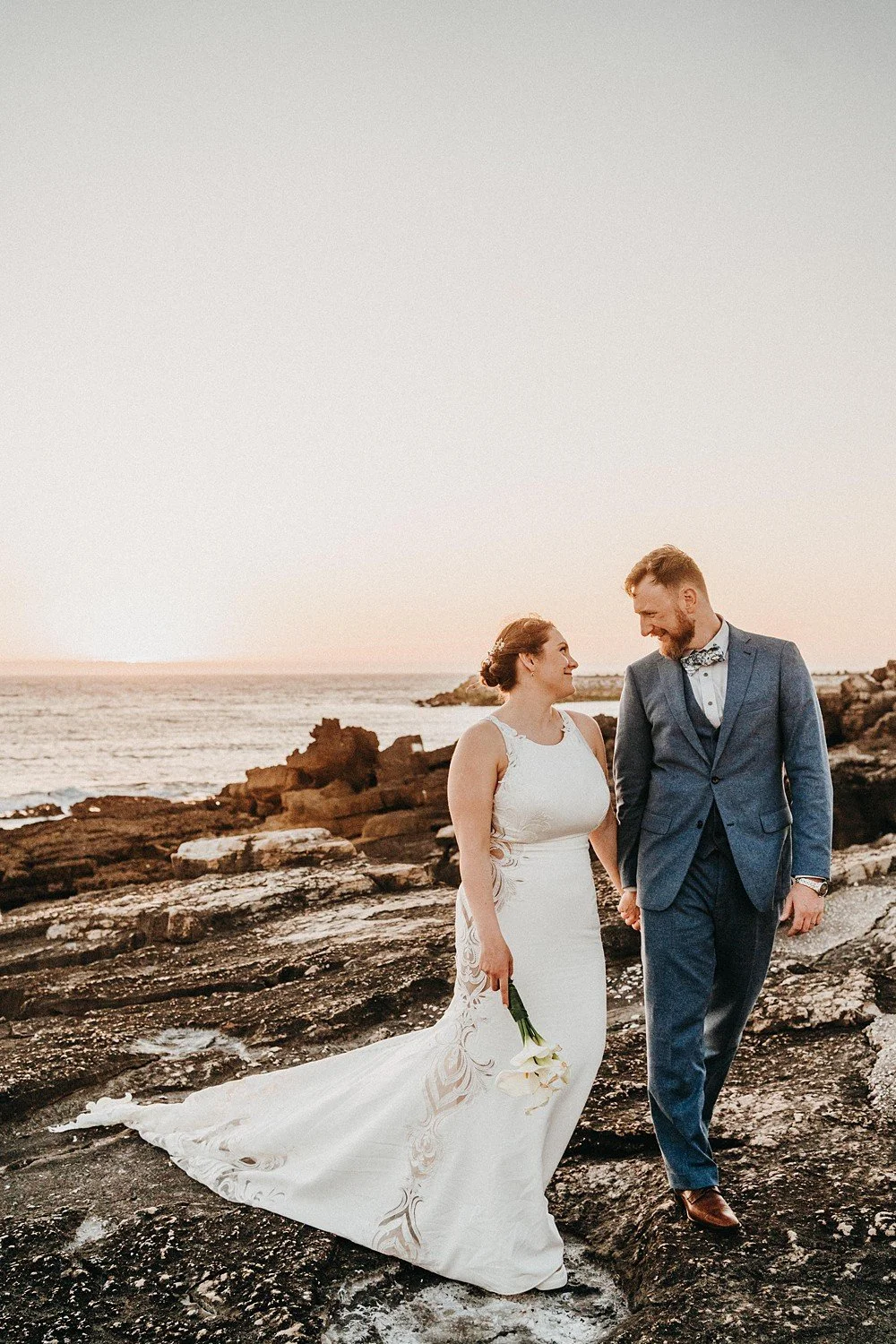
Are you ready for your Elopement?
Let’s talk about your Dreams and Ideas in a free Call!

Why Choose Me as Your Elopement Photographer?
I’am passionate about capturing your love story in a way that feels true to you and your partner - and I love being in nature! With years of experience in capturing love stories in the wild, I love to share your big and small moments with you. I am your photographer, your mountain guide, I help you zip up your dress and fix your hair when it comes to the summit shot, and I’m here for all your big and small moments on this journey. My approach is personal, relaxed, and tailored to your unique story. Let me help you create memories that last a lifetime!
